About us: regenerative farming

Regenerative?
The regenerative winegrower makes a positive contribution to nature, the environment, climate, food security and social conditions.
The winegrower takes the entire ecosystem into account:
- A balanced soil
- Water management
- Plants and animals
The winegrower prevents land degradation and deforestation.

Not tilling the soil
The soil is more than just a medium in which the roots hold the plant, it's a network of fungi and bacteria. Mutual communication and symbiosis between the plant and the microorganisms like mycorrhizae ensures the exchange of minerals and carbon.
By not tilling the soil, we stimulate the development of these microorganisms that contribute to a healthy vine. In this way, the plant is stronger and therefore less susceptible to external attacks such as powdery mildew and downy mildew.
A healthy plant produces healthy fruit, the basis for excellent wine.
A healthy environment
A healthy environment for humans and animals is our starting point. The best way to achieve this is by stimulating all life. Seeking ecological balance is crucial. The absence of insecticides or herbicides contributes to an ecological system that maintains its own balance. As a winemaker, we feel like being part of nature; we do not want to supress or control it.
Communication between plants arms the grapevine against unexpected drought. Excessive rain is also buffered by plant growth in the vineyard.
Therefore, we sow various herbs and flowers annually. The vegetation not only attracts various insects, it also protects the soil from extreme heat, and stimulates the growth of different microorganisms.
At the end of the season, the herbs contribute to green manure, creating, in combination with the return of pressed pommace and stems, a perfect basis for healthy soil rich in soil life and organic matter.

We are not alone: more inspiration
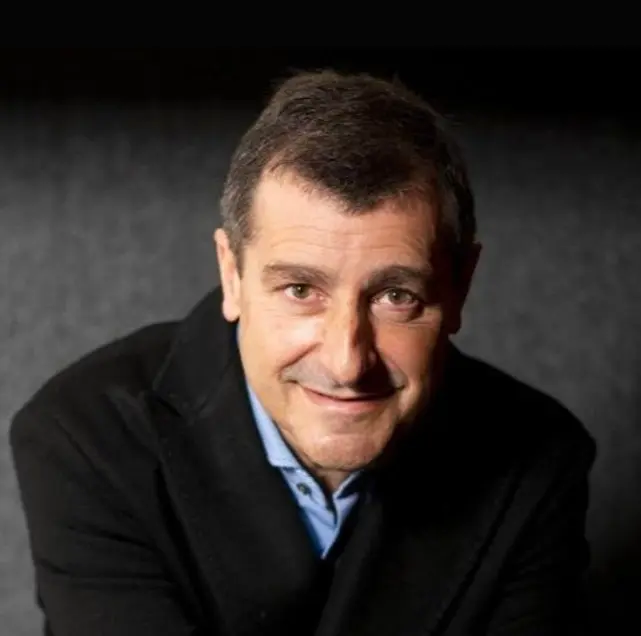
Josep Roca, sommelier El Celler de Can Roca
In August 2021, it was announced that Kontreir would become the first and only Belgian wine on the wine list of the famous 3-star restaurant El Celler de Can Roca. The restaurant gained worldwide fame by being awarded the title of best restaurant in the world multiple times by the Top 50 Best. In an interview, Josep Roca calls the Belgian Kontreir 'Fantástico', establishing Kontreir as one of the most sought-after Belgian wines.
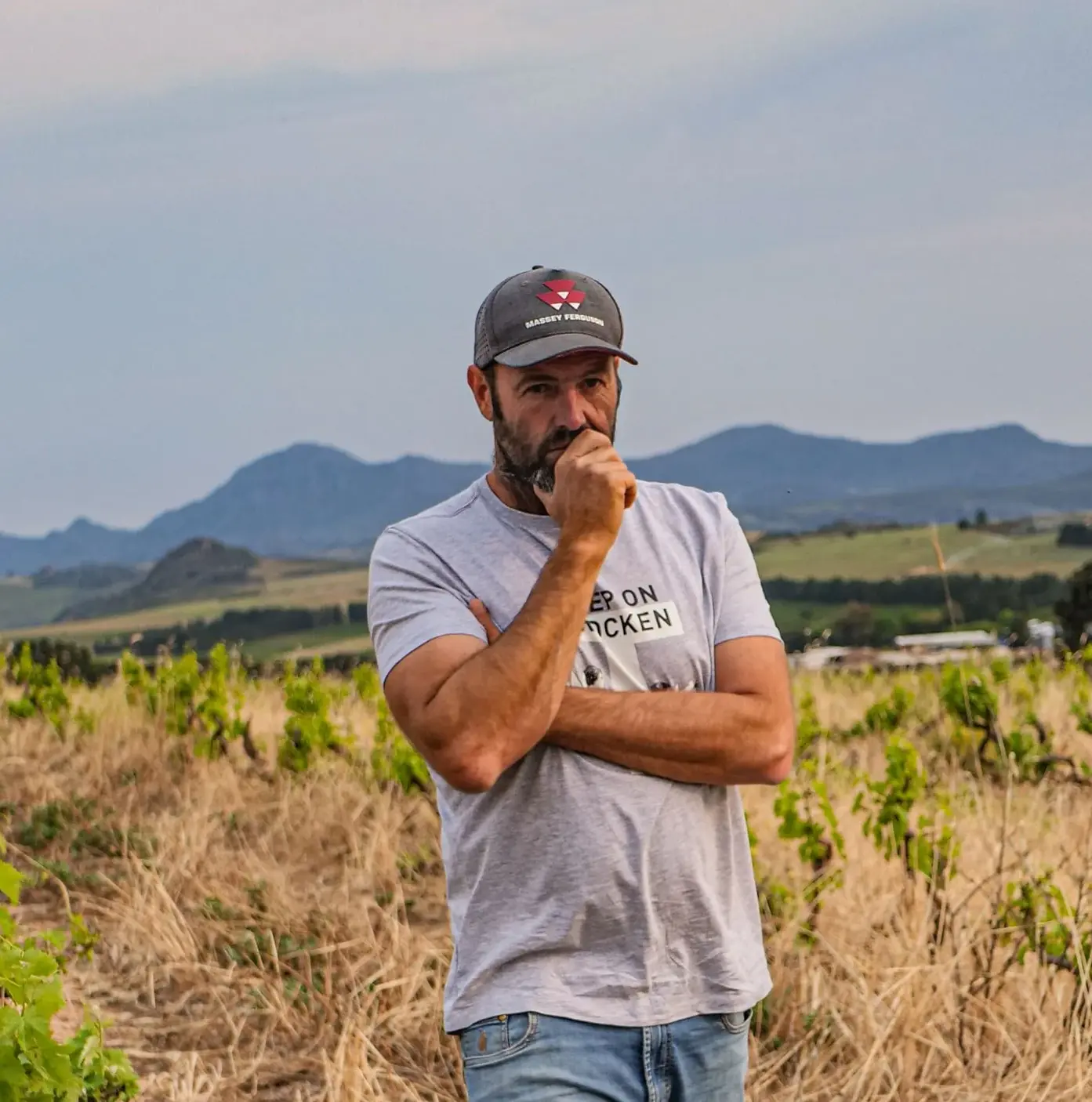
Eben Sadie, winemaker in Swartland South Africa
Eben Sadie visited our vineyard Steenkuyl on the Houwaartseberg in 2022. We shared ideas about soil management and climate change. It is an honor to be able to exchange thoughts with wine icons like Eben.
Eben Sadie stands for an all-or-nothing commitment to soil and plant health.
Marcel Lapierre, founding father of the natural wine movement
Marcel was a pioneer in the production of natural wines. This entails using as little intervention as possible during winemaking, with an emphasis on organic farming, no or minimal addition of sulfur, and fermentation with indigenous yeasts.
Meeting Marcel had a major influence on the way Patrick viewed winemaking. Helmer Otterman, a wine merchant at the time in Antwerp, showed Patrick for the first time what naturally made, including Marcel's wine tastes like. I am very grateful to him for that.
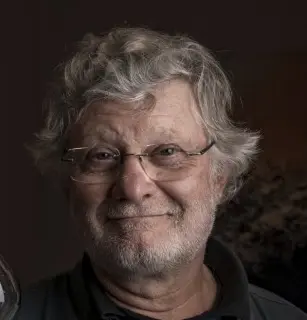
Jean-Michel Deiss
Marcel Deiss is a legendary, pioneering wine estate in Bergheim, Alsace (France), renowned globally for its strict adherence to biodynamic farming and its staunch advocacy for "natural" winemaking and complantation (field blends).
Jean-Michel Deiss was a great inspiration with his idea that wine derives its identity from terroir rather than grape variety.